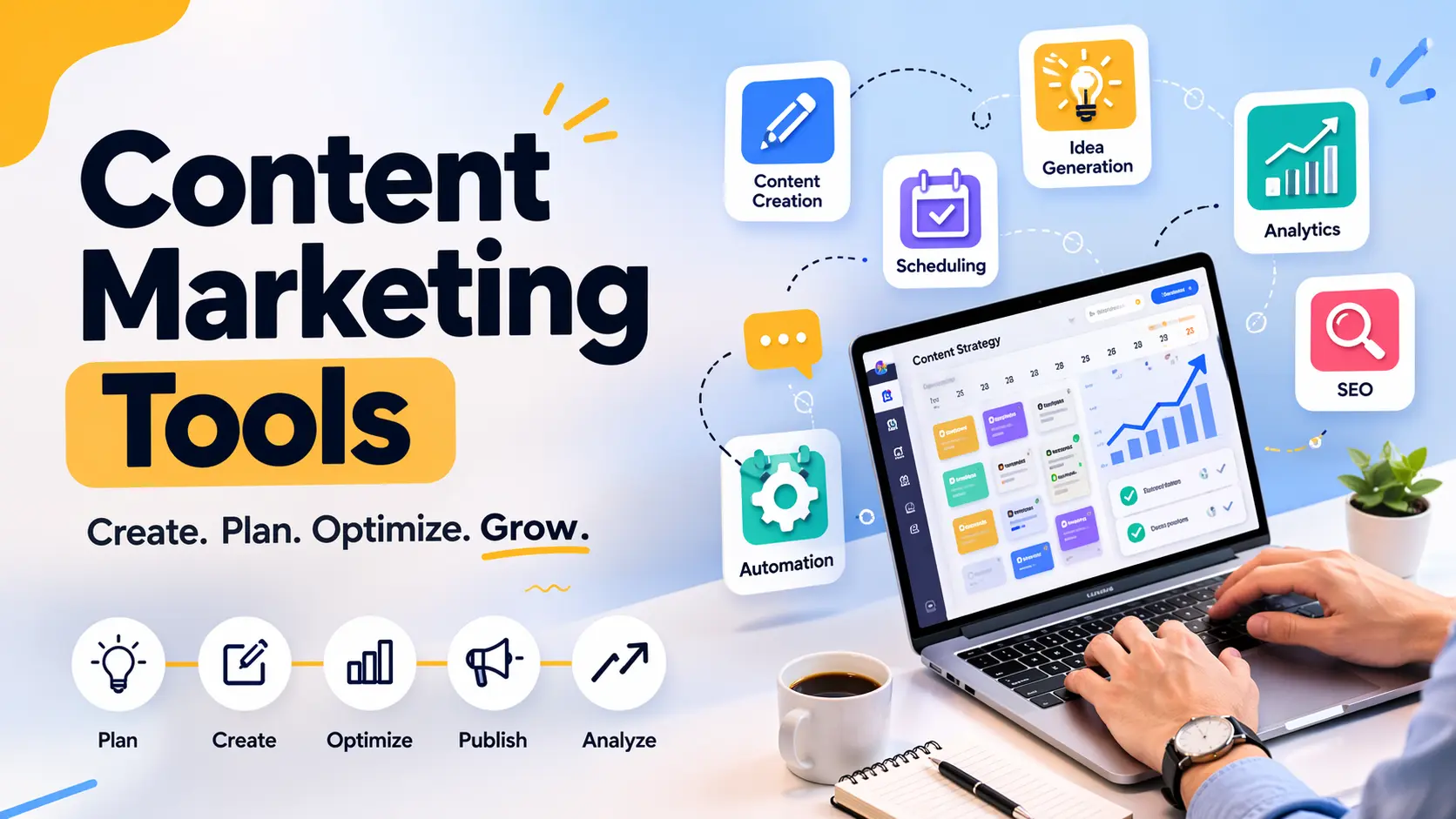
Content marketing tools are software platforms that help marketers research, create, distribute, and measure content. The best content marketing software in 2026 covers seven core workflow stages: SEO and keyword research, content creation and AI writing, content optimization, visual and video design, social media management, email marketing, and analytics and reporting.
Most content teams don’t struggle because of bad ideas, they struggle because their tools don’t connect. A research tool here, a scheduler there, and an AI writer that doesn’t talk to either. The result is wasted time and inconsistent output.
The global content marketing software market is growing fast as more teams invest in tools that actually produce results. But with hundreds of platforms competing for your attention in 2026, picking the right stack is harder than ever.
This guide cuts through the noise. We’ve organized the best content marketing tools by workflow stage, not alphabetically or by popularity, so you can match each tool to what you actually need it to do. Whether you’re a solo blogger, a small team, or a scaling agency, this list covers everything from free fundamentals to enterprise-grade content marketing platforms.
Let’s build your stack.
What Is Content Marketing Software?
Content marketing software is any tool that helps teams plan, create, distribute, or measure content. It spans a wide range of functions, from keyword research and SEO audits to editorial calendar management, AI writing assistance, social scheduling, email automation, and content performance analytics.
The best content marketing tools share four qualities:
- Workflow fit: They slot into a specific stage of your content production cycle
- Integration: They connect cleanly with the other tools in your stack
- Scalability: They grow with your team without requiring a platform switch
- Actionable data: They surface insights you can act on, not just numbers to admire
The biggest mistake content marketers make is collecting tools without a strategy. A focused stack of six well-integrated platforms consistently outperforms a bloated collection of twenty.
Content Marketing Tool Stack at a Glance
| Category | Top Pick | Best Free Option | Best for Small Teams |
| SEO & Keyword Research | Ahrefs | Google Search Console | Semrush |
| Content Creation & AI Writing | Jasper | ChatGPT (free) | Grammarly |
| Content Optimization | Surfer SEO | Hemingway Editor | Clearscope |
| Visual & Video Content | Canva | Canva Free | Adobe Express |
| Social Media Management | Hootsuite | Buffer Free | ManyChat |
| Email Marketing | Mailchimp | MailerLite Free | ConvertKit |
| Analytics & Reporting | Google Analytics 4 | GA4 (free) | Hotjar |
| Project Management | Airtable | Notion Free | Trello |
1. SEO and Keyword Research Tools
Every effective content marketing strategy starts with knowing what your audience is actually searching for. SEO and keyword research tools are the foundation of your entire content planning process, they tell you which topics to target, how hard those keywords are to rank for, and where your competitors are beating you.
1. Ahrefs: Best for Content Strategy and Competitor Research
Best for: Content teams serious about organic search growth
Pricing: From $129/month
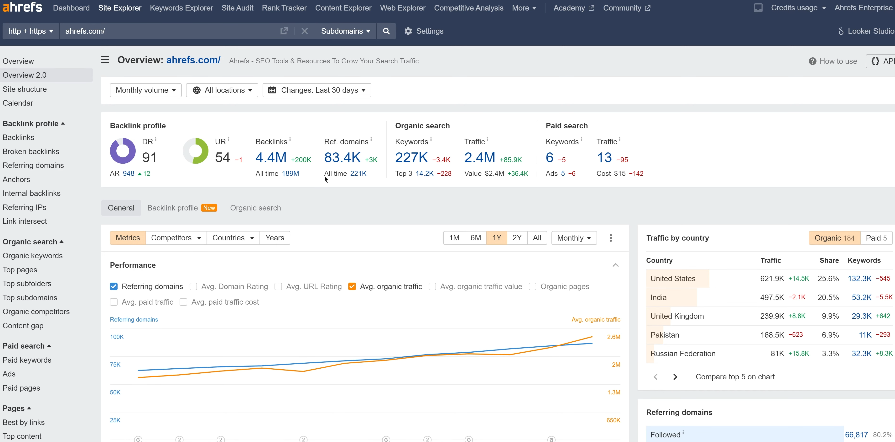
Ahrefs is one of the most powerful content marketing software platforms for SEO-led teams. Its Keywords Explorer surfaces keyword ideas with accurate search volume data, keyword difficulty scores, and traffic potential estimates, the three numbers every content strategist needs before writing a single word.
What separates Ahrefs from other keyword research tools is its Content Explorer, a searchable database of over a billion web pages that shows which content earns the most backlinks, social shares, and organic traffic for any topic. Use it to reverse-engineer what’s working in your niche before building your own topic clusters.
The Keyword Gap tool compares your domain against up to five competitors and shows you exactly where their content ranks and yours doesn’t, making it one of the most actionable content gap analysis tools available.
- ✅ Domain Rating metric is the industry standard for measuring site authority
- ✅ Accurate search volume estimates trusted by professional SEO teams
- ✅ Covers keyword research, rank tracking, backlink analysis, and site auditing in one platform
- ⚠️ Starts at $129/month; many features require Standard ($249) or Advanced ($449) plans
2. Semrush: Best All-in-One Content Marketing Platform
Best for: Teams wanting integrated SEO + content marketing workflow
Pricing: From $117.33/month billed annually
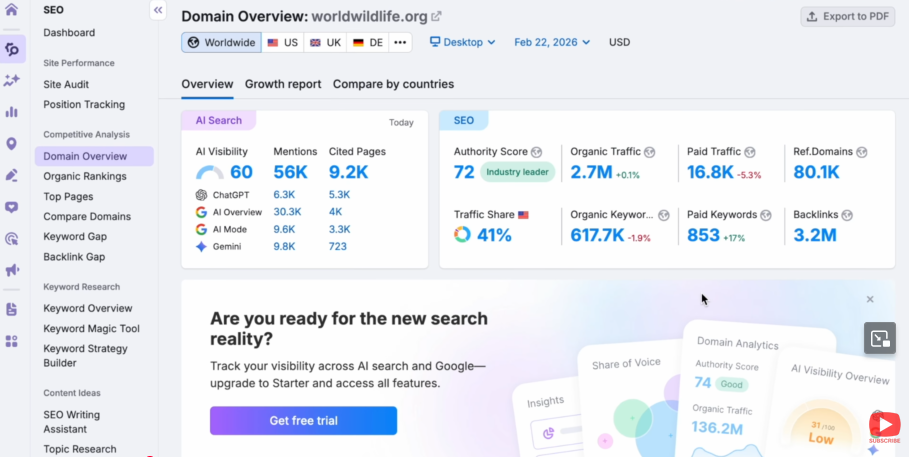
Semrush is the most widely recognized all-in-one content marketing platform for scaling content programs. Beyond keyword research and competitor analysis, it includes the Content Toolkit, a suite of AI-powered tools for generating SEO briefs, optimizing article drafts, tracking content performance, and managing topic clusters from a single dashboard.
The Keyword Magic Tool alone contains over 25 billion keywords across 142 databases, making it the largest keyword research database available. For content teams running high-volume editorial calendars, Semrush’s ability to handle keyword research, content brief creation, on-page optimization, and performance tracking in one place significantly reduces tool-switching costs.
- ✅ Strongest all-in-one platform for content strategy + SEO combined
- ✅ AI-powered content briefs, SEO writing assistant, and topic cluster mapping
- ✅ Social media scheduling and PPC tools included
- ⚠️ Starting price ($139.95/month) is higher than Ahrefs; keyword estimates slightly less accurate per some users
3. Google Search Console: Best Free SEO Foundation
Best for: All content marketers, non-negotiable baseline
Pricing: Free
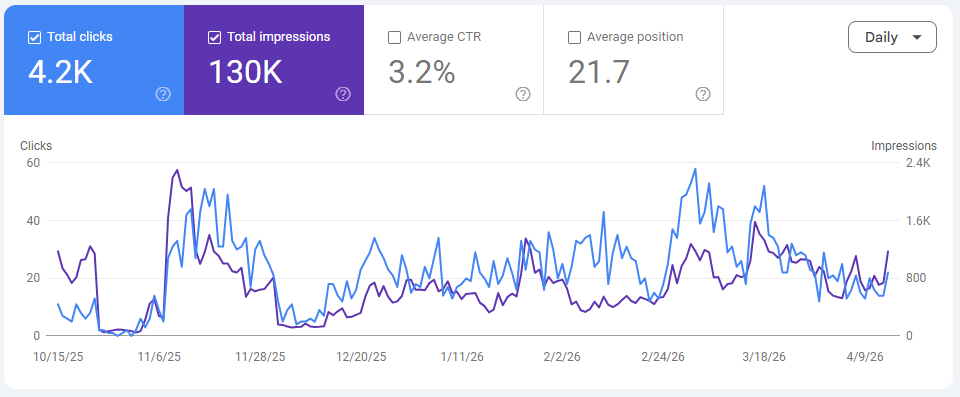
Google Search Console gives you direct data from Google itself, search queries driving impressions and clicks, average ranking positions, click-through rates, and index coverage issues. No third-party tool can replicate this accuracy because the data comes straight from the source.
For content performance tracking, Search Console shows you which existing articles are losing rankings (refresh opportunities), which are gaining traction (doubling-down opportunities), and which queries you’re ranking on page two for (quick-win targets).
- ✅ 100% free, directly from Google
- ✅ Most accurate click and impression data available anywhere
- ⚠️ 48–72 hour delay before confirmed data appears in dashboard
4. Google Trends: Best for Content Ideation and Trend Research
Best for: Content strategists planning timely, trend-driven content
Pricing: Free
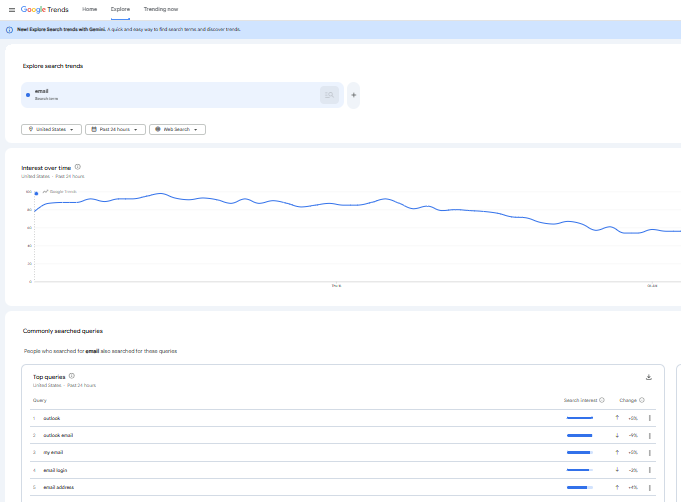
Google Trends shows how search interest for any keyword changes over time, by region, season, and related queries. It’s invaluable for content ideation around seasonal topics, identifying whether a keyword is growing or declining, and spotting emerging topics before competitors do.
Pair Google Trends with Ahrefs or Semrush for a complete keyword research workflow: use Trends to validate topic timing, and your paid tool to get volume and difficulty data.
- ✅ Completely free
- ✅ Shows real-time trending topics by region
- ⚠️ Relative interest data only — no absolute search volume
5. BuzzSumo: Best for Content Research and Topic Discovery
Best for: Content strategists who want to know what performs before they write
Pricing: From $199/month; free trial available
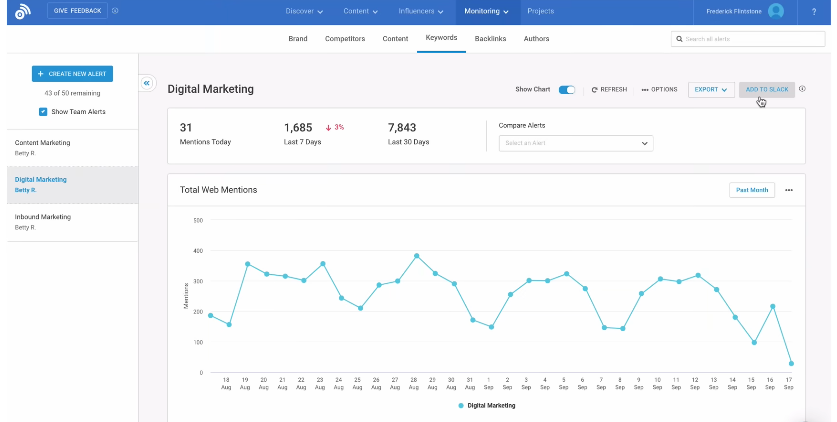
BuzzSumo is a specialized content research tool that analyzes which articles, topics, and formats perform best across the web and social media. Its Content Analyzer shows engagement metrics (shares, links, reactions) for any keyword or domain, so you know exactly what your audience responds to before investing time in creation.
For backlink analysis and brand monitoring, BuzzSumo also tracks unlinked brand mentions across news, forums, and social platforms, surfacing link-building opportunities that other SEO tools miss.
- ✅ Best-in-class for understanding what content performs in your niche
- ✅ Influencer identification and brand monitoring built in
- ⚠️ Premium pricing makes it better suited for mid-size to large teams
2. Content Creation and AI Writing Tools
Writing is at the heart of every content marketing strategy — even video and social content requires scripting, planning, and editing. These tools help your team produce better content faster, without sacrificing quality or brand voice.
6. Grammarly: Best for Writing Quality and Clarity
Best for: All writers and editors — baseline quality tool for every content team
Pricing: Free plan available; Pro from ~$30/month
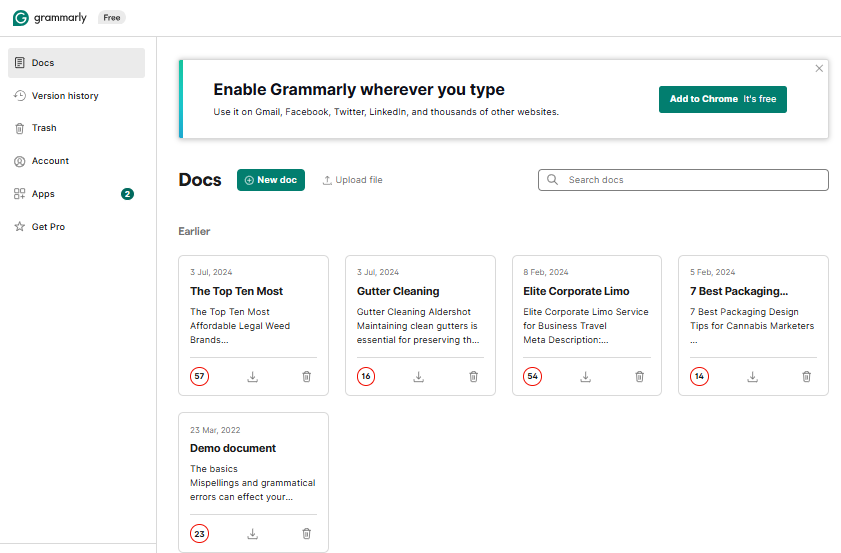
Grammarly goes well beyond grammar and spell-checking. It improves sentence clarity, adjusts tone, highlights passive voice overuse, and now includes AI-powered rewriting suggestions that can transform dense, hard-to-read paragraphs into clean, scannable copy.
The Google Docs plugin and browser extension mean Grammarly works inside your existing writing workflow — no copy-pasting required. For content teams managing multiple writers, Grammarly’s consistency catches the errors that manual editing misses, reducing revision cycles and improving published quality across the board.
- ✅ Works inside Google Docs, WordPress, and most web editors
- ✅ AI suggestions improve both grammar and style simultaneously
- ⚠️ Constant suggestions can feel intrusive, turn it off when you’re not actively editing
7. Jasper: Best for AI Content Generation at Scale
Best for: Content teams generating high volume with consistent brand voice
Pricing: From $49/month
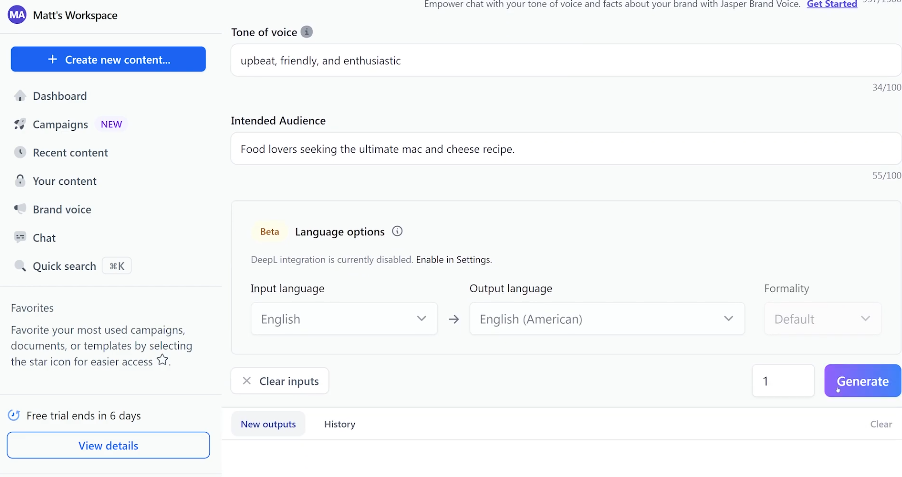
Jasper is the leading AI writing tool purpose-built for marketing content. It includes 50+ templates for blog posts, product descriptions, ad copy, email campaigns, and social media captions — all trainable on your brand voice documents so outputs match your editorial style.
Unlike general AI assistants, Jasper integrates directly with Surfer SEO for real-time content optimization scoring — meaning you can generate and optimize an SEO-ready draft without switching platforms. For agencies and teams running a high-volume content production workflow, Jasper dramatically reduces time-to-draft without sacrificing structure.
- ✅ Brand voice training produces more consistent output than generic AI tools
- ✅ Direct Surfer SEO integration for SEO-optimized drafts
- ⚠️ Always requires human editing for accuracy and original insight
8. ChatGPT: Best General-Purpose AI Assistant
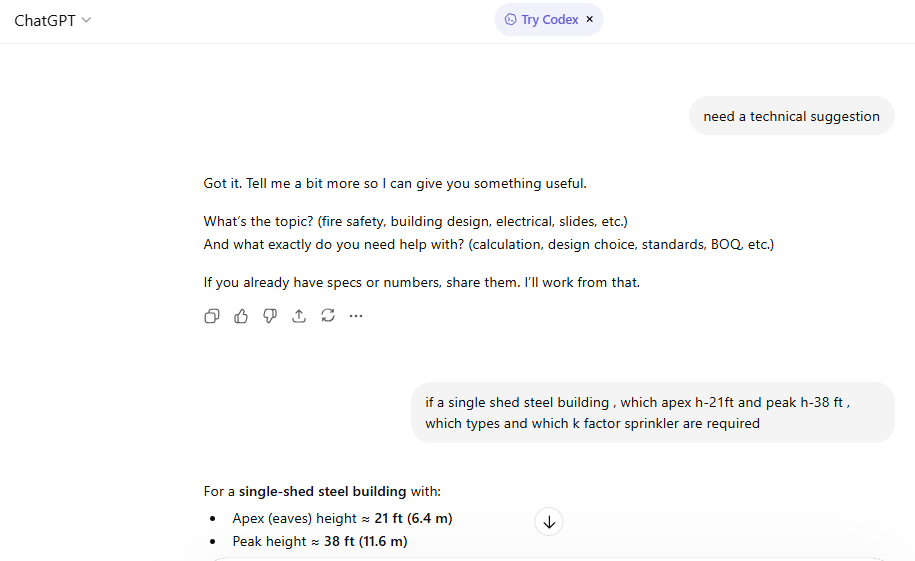
Best for: Ideation, research acceleration, and repetitive writing tasks
Pricing: Free plan; Plus at $20/month
ChatGPT has become a standard productivity tool across content marketing teams in 2026. Content teams use it to brainstorm topic angles, draft FAQ answers, find synonym options for overused phrases, translate interview transcripts, identify content gaps by comparing articles against competitor pages, and generate meta titles and descriptions in bulk.
The best practice: use ChatGPT as an AI writing assistant accelerator — not a replacement. Always review and edit AI output before it enters your content workflow. Fully unreviewed AI content rarely builds the long-term credibility that drives ranking or audience trust.
- ✅ Versatile across all content stages, ideation, drafting, editing support
- ✅ Free tier delivers genuine value for solo creators
- ⚠️ Requires effective prompting and mandatory human editing
9. Hemingway Editor: Best for Readable, Skimmable Prose
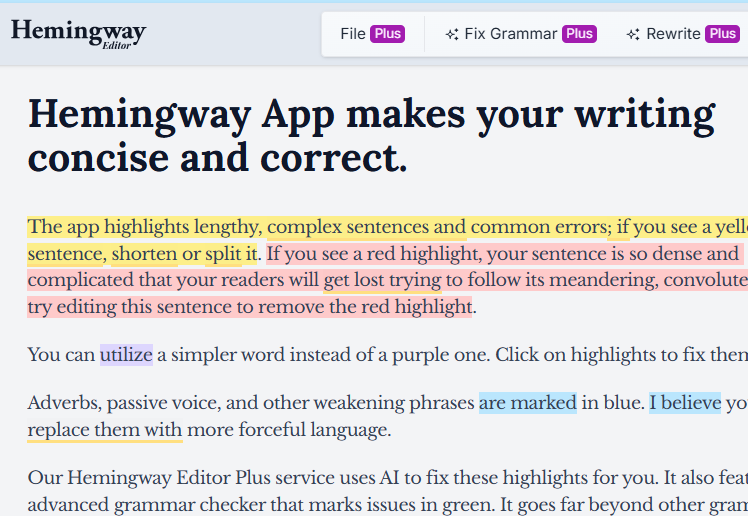
Best for: Writers and editors focused on clear, accessible long-form content
Pricing: Free web version; desktop app ~$19.99 one-time
Hemingway App highlights dense, difficult sentences and grades your writing for readability. A single pass reveals where your article becomes hard to skim, directly improving dwell time, reader retention, and on-page SEO signals. For content teams aiming to meet Yoast SEO readability benchmarks, Hemingway is the fastest way to identify problem paragraphs before publishing.
- ✅ Simple, fast, and effective for readability editing
- ✅ Free web version covers most use cases
- ⚠️ Focuses on sentence-level clarity only, not SEO optimization
3. Content Optimization Tools
Content optimization tools help you improve existing drafts, and existing published pages, so they rank higher and satisfy reader intent more completely. This category is where on-page SEO and content quality intersect.
10. Surfer SEO: Best for On-Page Content Optimization
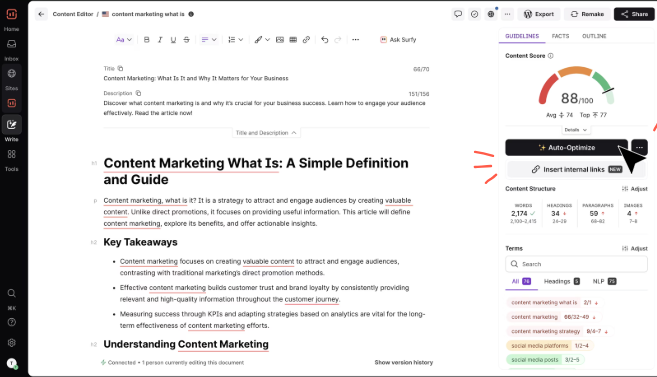
Best for: Writers and editors who want data-guided on-page SEO
Pricing: From $79/month
Surfer SEO’s Content Editor analyzes the top-ranking pages for your target keyword and gives your draft a real-time optimization score based on word count, keyword usage, heading structure, NLP terms, and entity coverage. Write inside the editor and watch your score update as you add recommended terms — making it the most practical on-page SEO tool for content writers who want SEO guidance without leaving their draft.
The SurferAI feature generates fully optimized first drafts using your keyword and competitor data, with built-in NLP keyword suggestions pulled directly from Google’s top-ranking pages.
- ✅ Real-time content scoring against actual SERP competitors
- ✅ NLP entity suggestions improve topical authority signaling
- ⚠️ Word count recommendations can push writers toward over-long articles — use judgment
11. Clearscope: Best for Advanced SEO Content Scoring
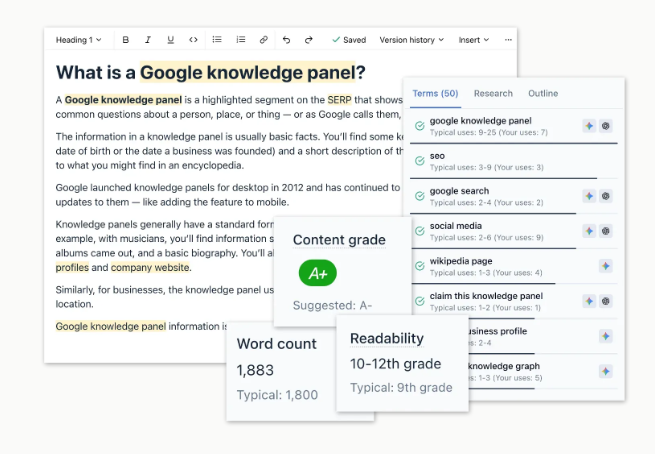
Best for: SEO editors at content-heavy organizations
Pricing: From $189/month
Clearscope creates detailed SEO reports for your target keyword, analyzing what top-ranking pages cover and scoring your draft against that benchmark. Its Google Docs plugin makes in-editor optimization seamless, and the ability to filter keyword suggestions to show only unused terms saves significant editing time.
- ✅ Highly precise keyword and entity recommendations
- ✅ Trusted by enterprise content teams for accuracy
- ⚠️ Premium pricing — consider Surfer SEO for similar features at lower cost
12. Yoast SEO: Best for WordPress Content Optimization
Best for: WordPress-based content teams optimizing blog posts and pages
Pricing: Free plugin; Premium from $99/year
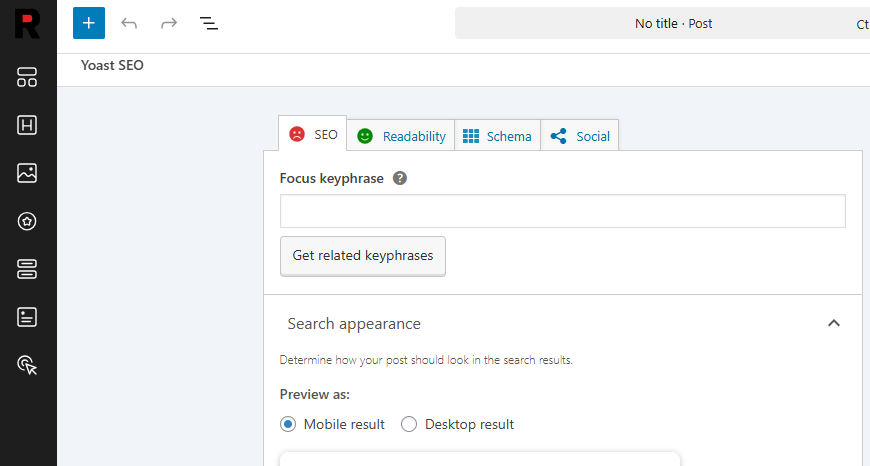
Yoast SEO is the most widely installed WordPress content optimization plugin, with over 10 million active users. It analyzes your content for keyword usage, readability (Flesch-Kincaid), meta title and description length, internal linking, and schema markup, directly inside the WordPress editor.
For bloggers and content teams publishing on WordPress, Yoast provides the foundational on-page SEO checklist that ensures no basic optimization step gets missed before hitting publish.
- ✅ Free version covers all core on-page SEO needs for most WordPress sites
- ✅ Readability checker aligns with Google’s content quality signals
- ⚠️ WordPress-only, not applicable for other CMS platforms
13. MarketMuse: Best for Topic Authority and Content Planning
Best for: Content teams building comprehensive topic cluster strategies
Pricing: Free plan available; paid from $149/month
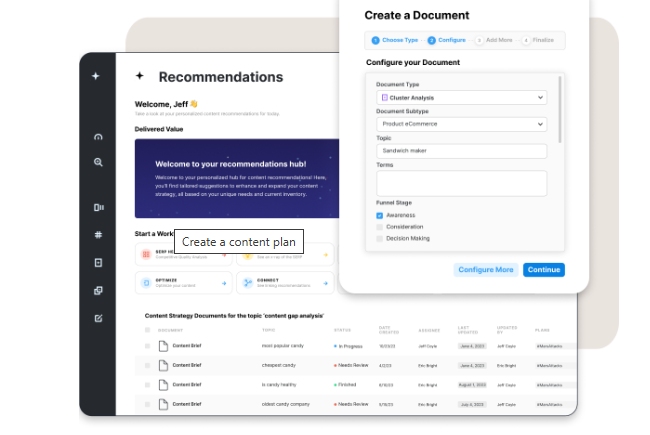
MarketMuse uses AI to analyze your entire site’s content and identify topic cluster gaps, areas where your domain lacks depth compared to top-ranking competitors. It scores your existing content, recommends related articles to build, and prioritizes which pages to update first for the biggest ranking impact.
- ✅ Best-in-class for building systematic content strategy around topic authority
- ✅ Prioritizes content work by estimated ranking impact
- ⚠️ High learning curve; best suited for experienced content strategists
4. Visual Content and Video Marketing Tools
Visual content drives significantly higher engagement than text alone, and video marketing is now a primary content format for most audiences in 2026. These tools make professional-quality visual and video content accessible for teams at every skill level.
14. Canva: Best for Quick Visual Content Creation
Best for: All content marketers who create visual assets regularly
Pricing: Free plan; Pro at $15/month
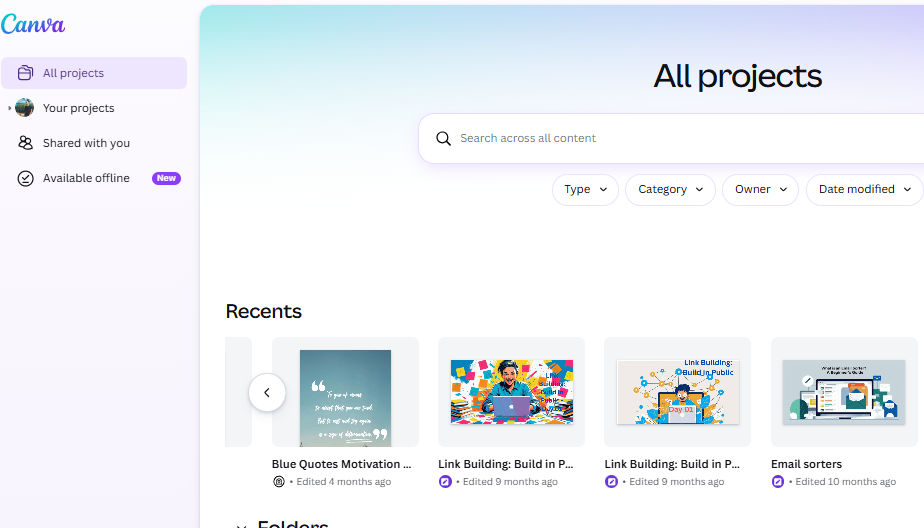
Canva is the dominant visual content creation tool for content marketers in 2026. Its drag-and-drop interface, 600,000+ templates, AI-powered background remover, text-to-image generator, and brand kit features let non-designers create professional social graphics, blog featured images, email headers, infographics, and presentation slides without any design training.
For content repurposing, Canva’s Magic Resize tool converts a single design into every platform format, Instagram, LinkedIn, Pinterest, email, in seconds, making it the most time-efficient visual tool for multi-channel content distribution.
- ✅ Accessible to non-designers; powerful enough for intermediate design work
- ✅ Magic Studio AI tools accelerate visual creation significantly
- ⚠️ Professional designers will find it limiting compared to Adobe tools
15. Adobe Creative Cloud: Best Pro Design Suite
Best for: In-house designers and video producers creating brand-level assets
Pricing: From $59.99/month
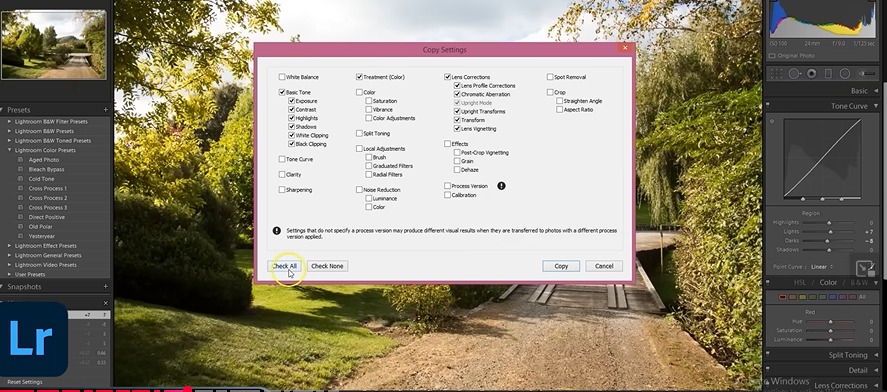
Adobe Creative Cloud (Photoshop, Illustrator, Premiere Pro, After Effects) is the industry-standard content creation software for professional visual and video teams. If your team includes dedicated designers or video producers, Adobe’s suite provides the precision, layer control, and professional output that brand-level content demands.
- ✅ Industry standard for professional visual and video content creation
- ✅ Complete suite covers photography, illustration, video, and motion graphics
- ⚠️ Steep learning curve; not suitable for non-designers
16. Alphana: Best for AI Video Content Repurposing
Best for: Content teams with video or podcast assets needing multi-channel repurposing
Pricing: Contact for current pricing
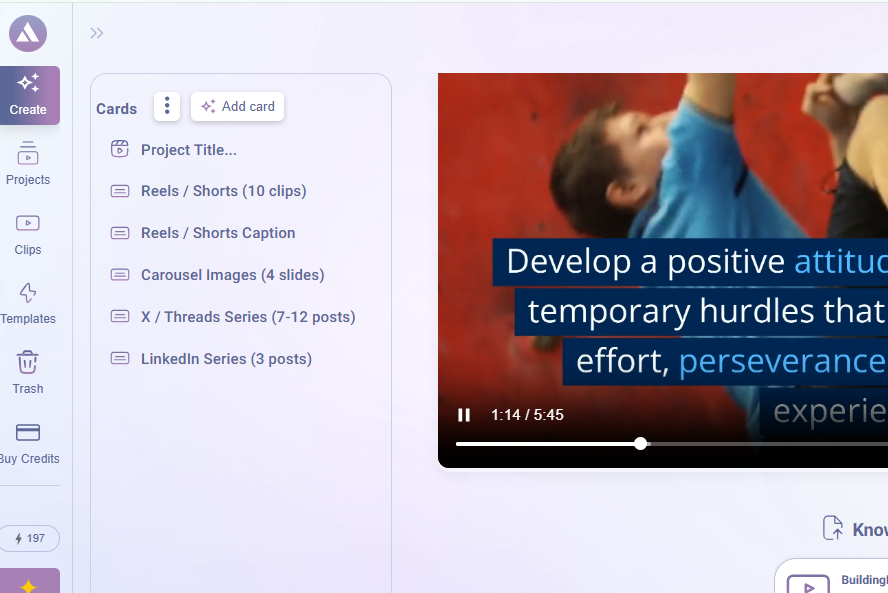
Alphana uses AI to convert long-form videos, podcast episodes, and recorded interviews into written formats, blog summaries, social media posts, email newsletters, and marketing copy. For content teams running YouTube channels or podcasts as a primary content marketing channel, Alphana turns one recording session into a week’s worth of multi-format content across all distribution channels.
- ✅ Dramatically reduces content repurposing time for video-first teams
- ✅ Generates highlights, blog articles, and social media ideas from a single input
- ⚠️ Output quality depends on source audio/video clarity
17. Maekersuite: Best for YouTube Content Research and Scripting
Best for: YouTube-focused content teams seeking data-driven video strategy
Pricing: From $23/month
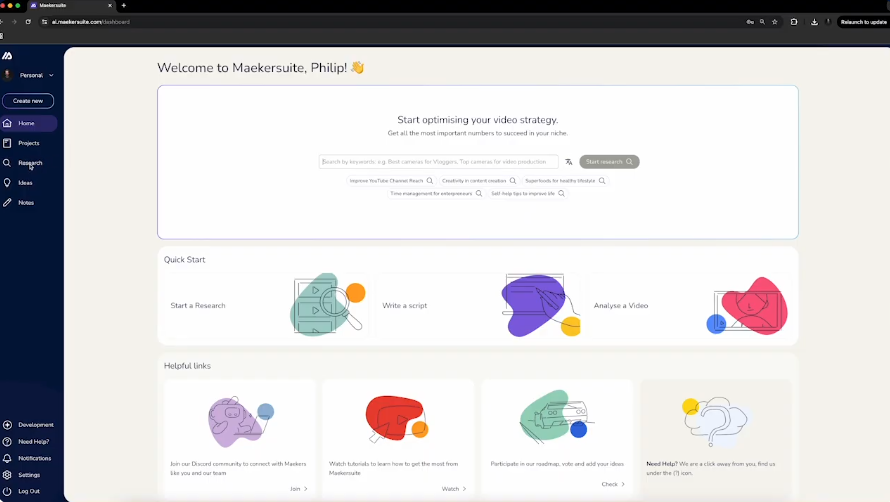
Maekersuite analyzes millions of YouTube videos to surface trending topics, popular formats, and audience engagement patterns, then generates SEO-optimized scripts tailored to your target keyword and channel style. For content teams where video is a primary content distribution channel, it cuts research and scripting time significantly while improving YouTube search visibility.
- ✅ Data-driven video ideation removes guesswork from YouTube strategy
- ✅ SEO-optimized scripts improve discoverability within YouTube search
- ⚠️ Can be complex for new users; expensive for multi-seat plans
18. Lumen5: Best for Converting Blog Posts to Video
Best for: Content teams repurposing written content into social video
Pricing: Basic from $29/month
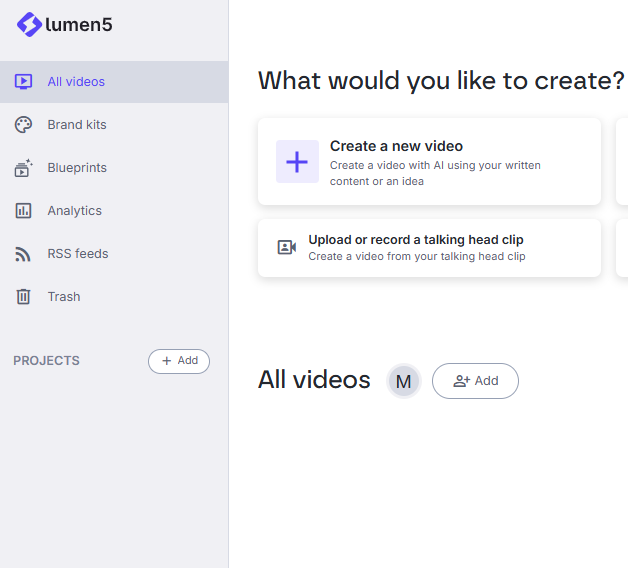
Lumen5 automatically converts blog posts and articles into short-form social videos using AI, pulling key sentences, matching them with stock footage, and formatting for social platforms. It’s one of the fastest ways to extend the reach of existing written content without a video production budget.
- ✅ Fastest path from blog post to social video
- ✅ No video production skills required
- ⚠️ Output style is template-driven, less suitable for brand-differentiated video
5. Social Media Content Marketing Tools
Social media extends the reach of every piece of content you create. These tools handle scheduling, automation, analytics, and competitive monitoring across all major platforms.
19. Buffer: Best for Social Scheduling on a Budget
Best for: Small content teams managing multiple social channels affordably
Pricing: Free plan; paid from $6/channel/month
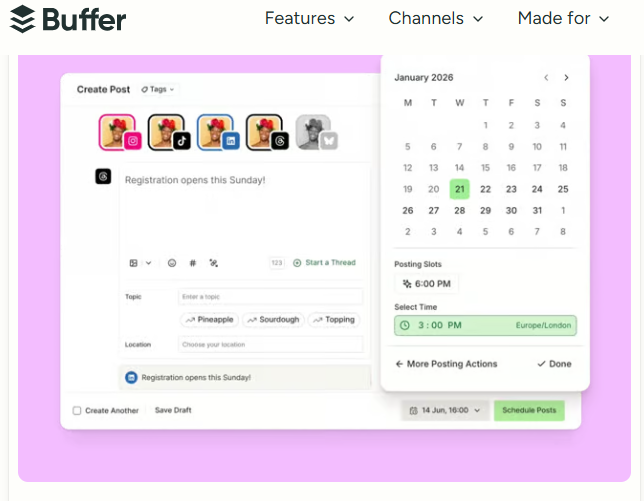
Buffer allows content teams to schedule and publish posts across multiple social accounts from a clean, intuitive dashboard. Its hashtag performance tracking feature shows which hashtags historically drive the highest reach, so you can systematically improve social content distribution with data rather than guesswork.
- ✅ Most affordable social scheduling tool for small content teams
- ✅ Simple UI makes social content calendar management easy
- ⚠️ Analytics are limited; lacks social listening features
20. Hootsuite: Best for Larger Teams and Advanced Analytics
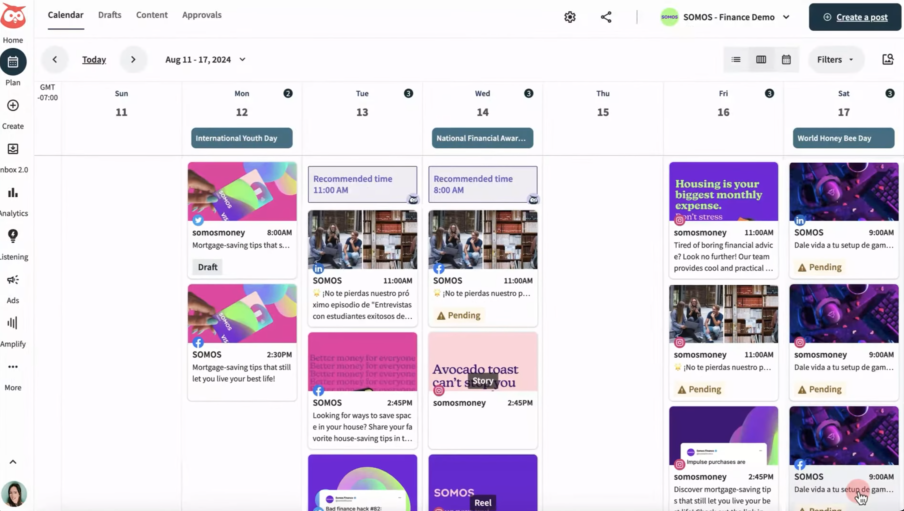
Best for: Mid-size to enterprise content teams with complex social workflows
Pricing: From $99/month (updated 2026 pricing: check hootsuite.com)
Hootsuite handles scheduling, social listening, custom analytics reports, community management, and multi-team collaboration across six or more social platforms simultaneously. Where Buffer is ideal for simplicity, Hootsuite is the right choice when your social media content marketing involves tracking brand sentiment, monitoring competitors, and generating custom reports for stakeholders.
- ✅ Most comprehensive social media management platform for large teams
- ✅ Advanced analytics and custom reporting features
- ⚠️ Premium pricing; potentially over-featured for small teams
21. ManyChat: Best for Social Media Automation
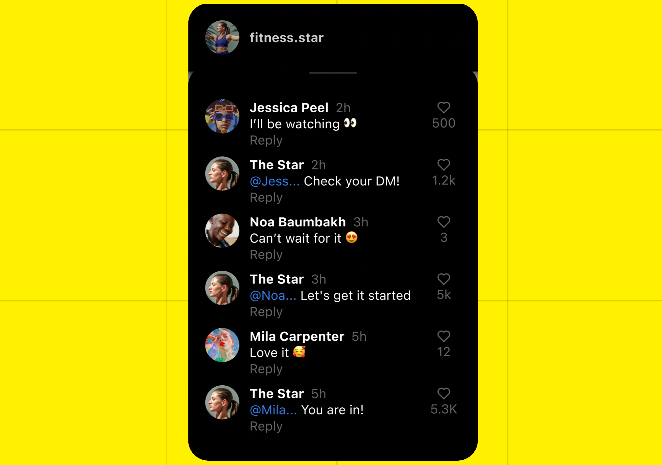
Best for: Content teams running automated lead magnets and direct message campaigns
Pricing: Free plan; paid from $15/month
ManyChat builds chatbots for Instagram and Facebook Messenger that automatically respond to comments, story replies, and message triggers. If you’ve seen brands post “Comment ‘guide’ to receive the free resource,” they’re using ManyChat to automate delivery, turning passive social engagement into a direct content distribution channel with measurable conversion data.
- ✅ Turns social engagement into direct subscriber acquisition
- ✅ No coding required for complex automation sequences
- ⚠️ Free plan requires creating a new automation for each post
6. Email Marketing Tools for Content Marketers
Email is consistently one of the highest-ROI content distribution channels available, yet it’s the most underrepresented category in most content marketing tool guides. Use other channels to grow your list; use email marketing tools to convert subscribers into loyal readers and customers.
22. Mailchimp: Best All-Round Email Marketing Tool
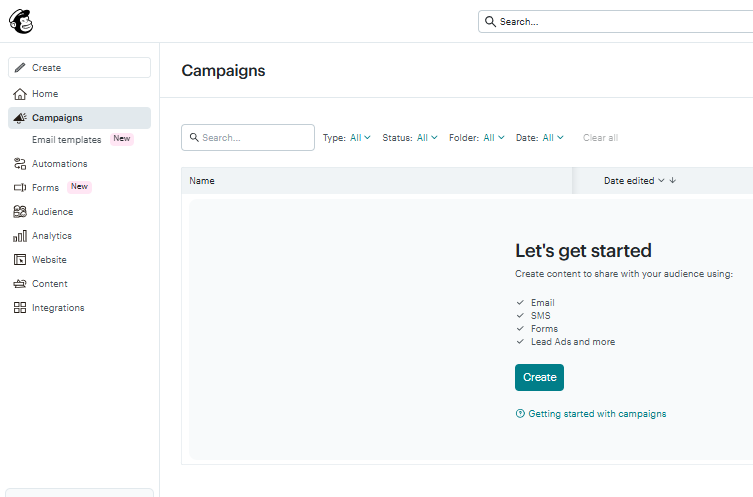
Best for: Small to mid-size content teams running newsletters and automated sequences
Pricing: Free for up to 500 contacts; paid from $13/month
Mailchimp combines a drag-and-drop email editor, audience segmentation, marketing automation, A/B testing, and analytics into one platform. Its email marketing automation features let content teams welcome new subscribers, deliver lead magnets, nurture readers with content sequences, and re-engage inactive subscribers — all on autopilot.
- ✅ Most widely recognized email marketing platform for content teams
- ✅ Deep automation and segmentation features at accessible pricing
- ⚠️ Pricing scales quickly as your list grows beyond the free tier
23. ConvertKit (Kit): Best for Independent Content Creators
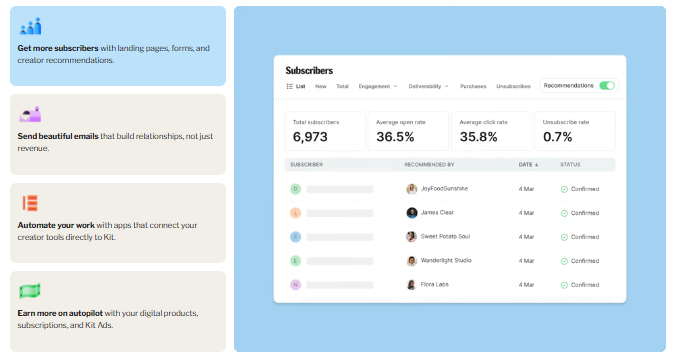
Best for: Solo bloggers and individual content creators building subscriber audiences
Pricing: Free up to 1,000 subscribers; Creator plan from $25/month
ConvertKit is purpose-built for content creators, bloggers, course builders, and newsletter writers. Its tag-based audience segmentation system makes it easy to send the right content to the right subscriber group without the complexity of enterprise email platforms. The landing page and signup form builder integrates seamlessly into a content-first lead generation workflow.
- ✅ Simplest segmentation system for content-first email marketing
- ✅ Built for creators, not enterprise marketing departments
- ⚠️ Fewer design options than Mailchimp for visual email templates
24. MailerLite: Best Value Email Marketing Platform
Best for: Budget-conscious content teams needing robust email marketing features
Pricing: Free for up to 500 subscribers; paid from $10/month
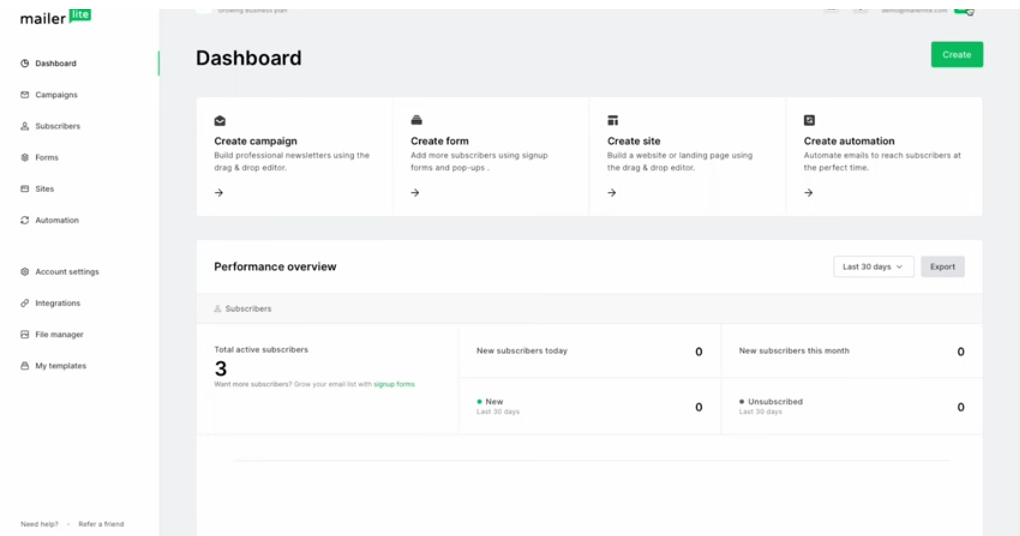
MailerLite packs drag-and-drop email design, marketing automations, subscriber segmentation, landing page building, A/B testing, and send-time optimization into one of the most affordable email marketing tools available for content teams. For content programs running weekly newsletters with automated welcome sequences, MailerLite delivers enterprise-level features at startup-friendly pricing.
- ✅ Best price-to-feature ratio in the email marketing tools category
- ✅ Landing page and website builder included
- ⚠️ No migration assistance, switching from another platform requires manual effort
Pro Tip: Keep Your Email Workflow Clean
As your email content marketing scales, inbox management becomes part of your workflow too. Sorting campaign replies, managing subscriber feedback, and keeping your sender domain organized matters as much as the campaigns themselves. Tools like EmailSorters help content marketers filter, sort, and organize email inboxes, so your distribution channel stays clean, fast, and focused on what matters.
7. Analytics, Reporting, and Content Performance Tools
Publishing content without measuring it is the most expensive mistake in content marketing. Analytics tools show what’s working, what’s wasting resources, and where to focus next. Content marketing software that includes analytics capabilities can increase content ROI by up to 40%.
25. Google Analytics 4 (GA4): Best Website Analytics Platform
Best for: All content marketers, non-negotiable baseline tool
Pricing: Free
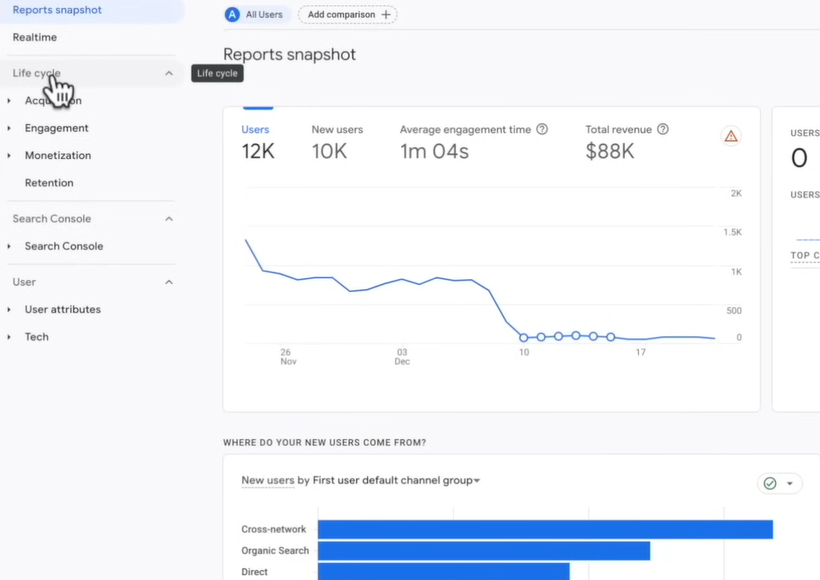
GA4 is the universal standard for content performance tracking. It shows which articles generate the most traffic, how long readers stay on page, where they came from, which content drives conversions, and how behavior differs across devices. Set up your three to five most important content metrics first, GA4’s data depth can overwhelm without a clear measurement framework.
- ✅ Free, comprehensive, and directly connected to Google’s ad ecosystem
- ✅ Tracks the full reader journey from first click to conversion
- ⚠️ Can feel overwhelming without clear KPI focus
26. Hotjar: Best for Analyzing Content Page Behavior
Best for: Content teams optimizing specific pages for engagement or conversion
Pricing: Free plan up to 35 daily sessions; paid from $39/month
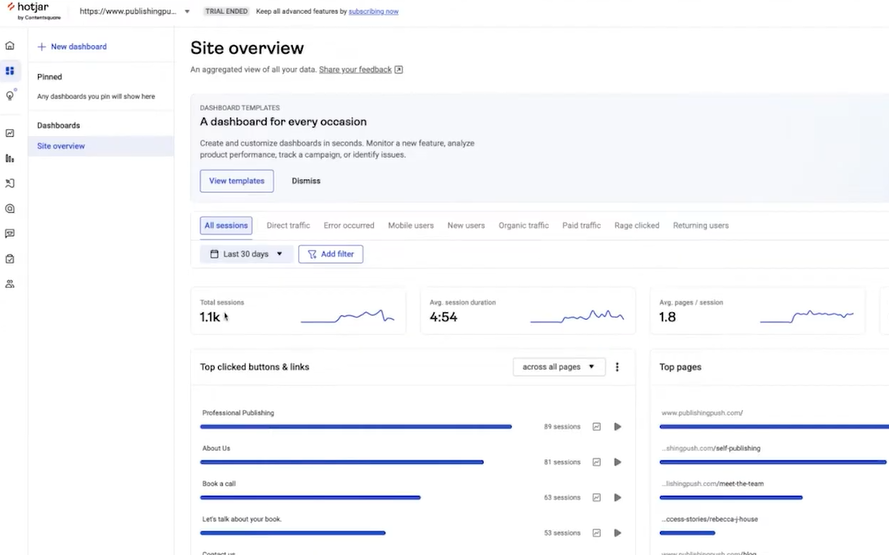
Hotjar provides heatmaps and session recordings showing exactly how real readers interact with your content pages. It reveals where attention drops off, what gets clicked, how far people scroll, and which sections readers skip entirely, making it the most actionable tool for content optimization on high-traffic articles and landing pages.
- ✅ Visual behavior data reveals what analytics numbers alone can’t show
- ✅ Heatmaps + session recordings in one platform
- ⚠️ Expensive at scale for high-traffic websites
27. Brand24: Best for Social Listening and Brand Monitoring
Best for: Content and SEO teams tracking brand presence and competitor content movements
Pricing: From $149/month
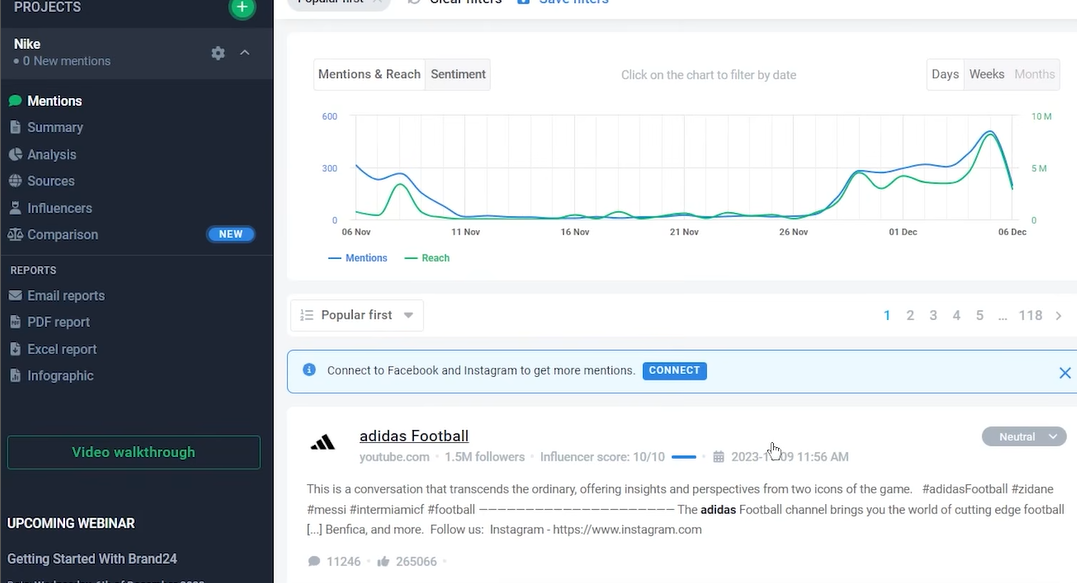
Brand24 monitors online mentions of your brand, competitors, and target keywords across social media, news sites, blogs, and forums in real time. For content marketers, the most valuable use case is unlinked brand mention detection, finding sites that reference your brand without a link, so your SEO team can pursue link-building opportunities that already have context.
- ✅ Real-time brand monitoring across all major online channels
- ✅ Unlinked mention detection creates immediate link-building pipeline
- ⚠️ High volume brands will generate more alerts than most teams can action
28. Iconosquare: Best for Social Content Analytics
Best for: Social-first content teams needing detailed engagement analytics
Pricing: From $59/month
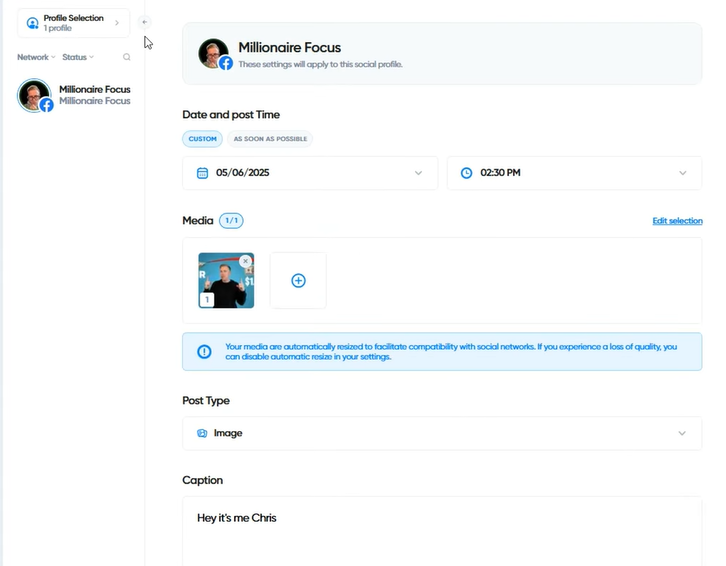
Iconosquare provides deep analytics on post performance, audience engagement, follower growth trends, and the breakdown between organic and paid reach across social platforms. If your content distribution strategy relies heavily on social channels, Iconosquare gives you the data to understand what your audience actually responds to, rather than guessing from native platform analytics.
- ✅ Detailed social engagement data across multiple platforms
- ✅ Clean UI and affordable compared to enterprise social tools
- ⚠️ Occasional account connection issues reported (support resolves quickly)
How to Choose the Right Content Marketing Tools
Choosing the right content marketing software comes down to three things: your workflow stage, your team size, and your budget. Here’s a practical framework:
By Budget Tier
| Budget | Recommended Stack |
| $0 Free | GA4 + Search Console + Canva Free + Google Docs + Trello + ChatGPT + Yoast Free |
| Starter $10–$50/mo | Add Grammarly Pro + Canva Pro + MailerLite or ConvertKit |
| Growth $50–$200/mo | Add Ahrefs or Semrush + Surfer SEO + Buffer + Jasper |
| Scale $200+/mo | Add Semrush full suite + Clearscope + Brand24 + Hootsuite + Hotjar + Airtable |
By Team Size
Solo creator or freelancer: Keep it lean, Google Search Console + Canva + Grammarly + Google Docs + ConvertKit + GA4. Add Ahrefs or Semrush when organic search becomes your primary growth channel.
Small team (2–5 people): Add Notion or Airtable for editorial calendar management, MailerLite for email campaigns, Buffer for social scheduling, and Surfer SEO for content optimization. Prioritize tools with collaboration features.
Agency or large team (5+): Semrush or Ahrefs as the SEO core, Clearscope for content optimization, Airtable for workflow operations, Hootsuite for social management, Brand24 for monitoring, and GA4 + Hotjar for analytics. At this scale, integration between tools matters more than individual features.
Build Your 2026 Content Marketing Tool Stack
The best content marketing tools for your team aren’t necessarily the most popular or the most expensive, they’re the ones that match your workflow, team size, and content goals.
Start with the free fundamentals: GA4, Google Search Console, Canva, Google Docs, and Yoast. Then layer in paid tools, one at a time, at each stage where a bottleneck appears. A content marketing tool stack built this way stays lean, integrated, and genuinely useful at every stage of your growth.
If email is part of your content distribution strategy, inbox management belongs in your stack too. Keeping campaign replies sorted, subscriber lists organized, and sender workflows clean is just as important as the campaigns themselves.
Frequently Asked Questions
What are the best free content marketing tools in 2026?
The best free options are Google Analytics 4, Google Search Console, Google Trends, Canva Free, Google Docs, Trello, Yoast SEO (free plugin), ChatGPT Free, Grammarly Free, and Hemingway Editor. Together, these cover all four core workflow stages — research, creation, distribution, and analysis — at zero cost, making them ideal for solo creators and early-stage content teams.
What is the difference between content marketing tools and content marketing platforms?
Individual content marketing tools handle one specific function, like Grammarly for editing or Canva for design. A content marketing platform (like Semrush, HubSpot, or Airtable) consolidates multiple functions, planning, creation, publishing, and analytics, into one integrated system. Platforms suit larger teams that need a unified workflow; individual tools give smaller teams flexibility to assemble a custom stack.
Which content marketing tools are best for small businesses?
Small businesses get the most value from a lean, free-first stack: Google Search Console (keyword data), Canva Free (visuals), Google Docs (writing), Trello (planning), MailerLite (email), and GA4 (analytics). As you scale, Ahrefs or Semrush becomes the highest-impact paid addition for driving organic content growth.
How many content marketing tools does a team actually need?
Most content teams operate effectively with 6–8 core tools: one for keyword research, one for writing/editing, one for content optimization, one for visual design, one for email marketing, one for social scheduling, one for analytics, and one for project management. A focused, integrated stack consistently outperforms an overloaded one.
Are AI content marketing tools worth using in 2026?
Yes. AI tools like ChatGPT, Jasper, SurferAI, and Alphana have become standard accelerators for content ideation, drafting, repurposing, and optimization in 2026. Workflow automation tools used in content marketing can save teams an average of 15+ hours per week. The best practice: use AI as a production accelerator while keeping human editing in the loop for accuracy, brand voice, and original insight.
What is a content marketing tool stack?
A content marketing tool stack is your team’s curated collection of software tools, organized to cover each stage of the content workflow, from research and creation through distribution and analysis. A well-integrated stack reduces tool-switching costs, improves collaboration, and creates a clear, repeatable production workflow. Most effective stacks contain 6–10 tools with clear integration between them.